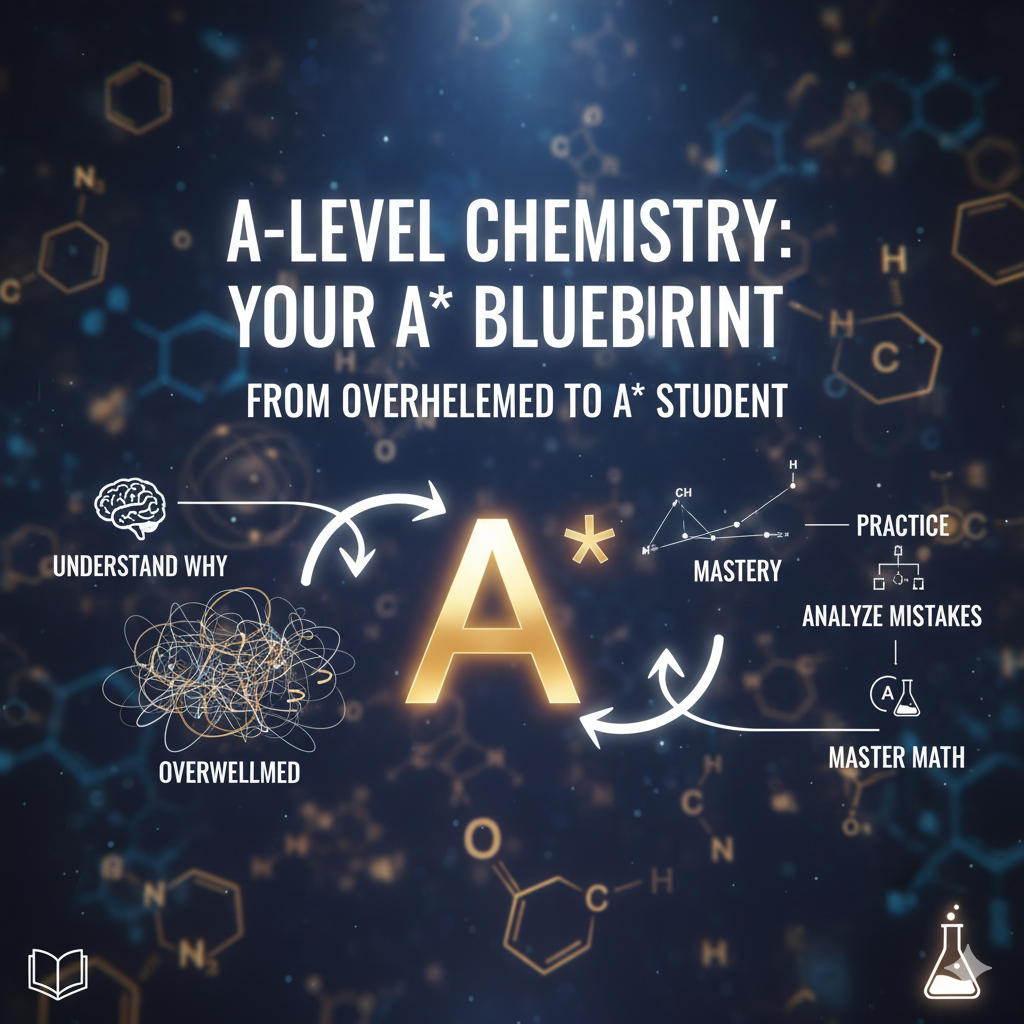
A-Level Chemistry is one of the most respected — and demanding — subjects. If you’re aiming for an A★, you need more than just hard work. You need smart study techniques, consistent practice, and exam-focused strategies.
As a teacher who has guided many students to top grades, I can assure you that achieving an A★ is absolutely possible — if you focus on the right approach. Here are the three most powerful strategies I recommend to my students.
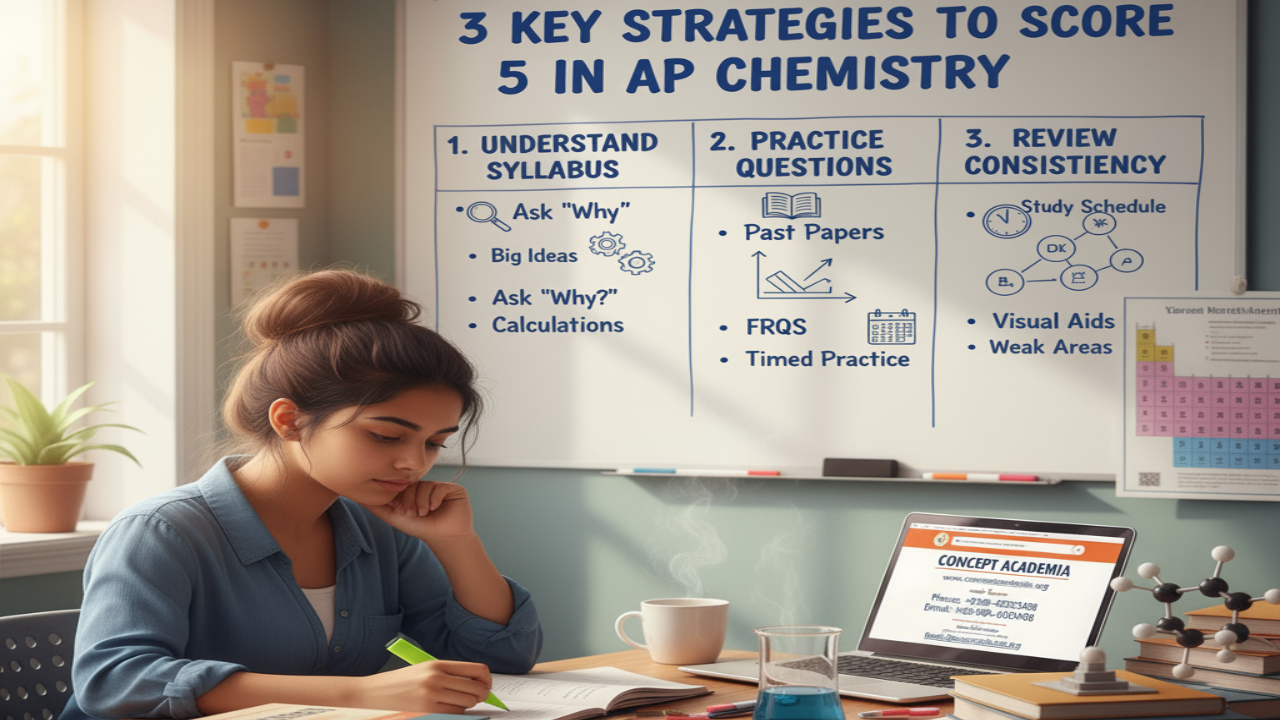
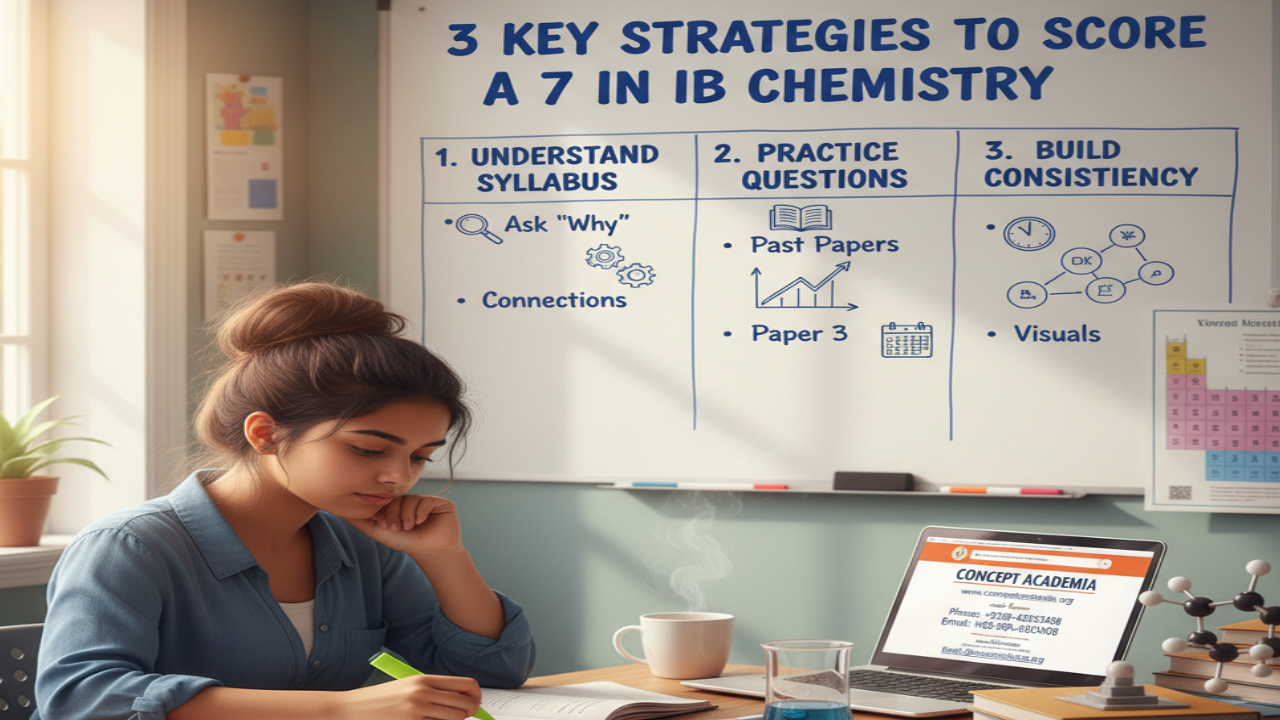
1. Deeply Understand the Content — Don’t Just Memorize
At A-Level, questions often test your ability to explain why something happens, not just state what happens.
- Understand Mechanisms & Concepts: Don’t just learn that nucleophilic substitution happens — know the mechanism, the role of the nucleophile, and the effect of conditions.
- Spot Connections Between Topics: Organic chemistry overlaps with spectroscopy, energetics links to equilibrium, and so on. Seeing the “big picture” helps with synoptic questions.
- Use the Specification as Your Guide: Your exam board’s specification is your checklist — tick off each point as you master it.
2. Practice Past Papers & Master Exam Technique
Practicing past papers is the single most effective way to prepare for A-Level Chemistry.
- Solve Topic-by-Topic Questions First: After finishing a topic, do related questions to reinforce learning.
- Then Attempt Full Papers Under Timed Conditions: Build stamina and exam timing skills by simulating the real exam.
- Learn Mark Scheme Language: A-Level examiners have specific keywords they expect. Train yourself to use the exact terminology so you don’t lose marks for vague answers.
- Practice Calculations & Show Working: Stoichiometry, enthalpy changes, and titration calculations are high-mark areas — never skip steps in your working.
3. Consistent Review and Smart Study Planning
An A★ comes from consistent, strategic effort, not cramming at the last minute.
- Make a Weekly Study Plan: Allocate time for both new learning and revision.
- Use Active Recall & Spaced Repetition: Flashcards, quizzes, and mind maps help you retain information long-term.
- Fix Weak Topics Early: Don’t delay difficult chapters (like Organic Chemistry synthesis) — face them early and revisit often.
- Build Confidence with Regular Mini-Tests: Short, timed quizzes boost confidence and reveal areas you still need to work on.
With a strong grasp of concepts, excellent exam technique, and steady practice, you can confidently aim for that A★ and achieve it.
📢 Take control of your exam success with Concept Academia’s expert guidance and resources!
🌐 Website: www.conceptacademia.org
📞 Phone: +92-300-4305408
📧 Email: info@conceptacademia.org